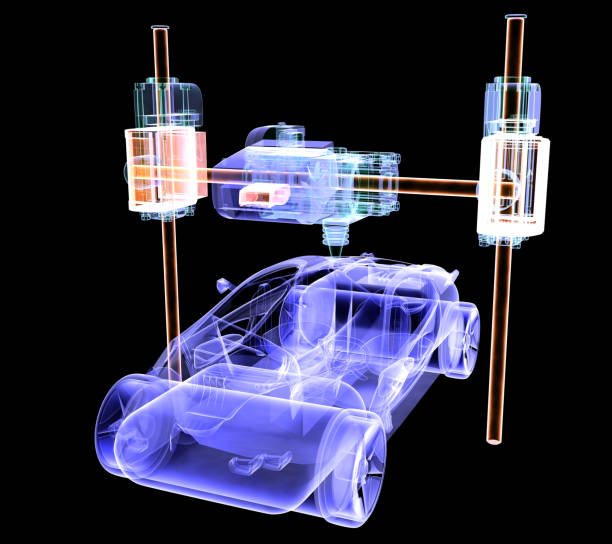
As global trade and travel continue to expand, ensuring the security of borders has become a critical task for nations worldwide. One of the key technologies that have emerged in recent years to bolster border security is the use of backscatter vehicle scanners. These advanced systems provide a non-intrusive method to inspect vehicles efficiently and detect contraband or threats hidden within them. Understanding how these scanners work, their benefits, and their implementation is essential for appreciating their role in modern border security.
What is a Backscatter Vehicle Scanner?
A backscatter vehicle scanner uses X-ray technology to produce images of the contents of a vehicle. Unlike traditional X-ray systems that rely on transmitted radiation, backscatter systems detect radiation that is scattered back from the object being scanned. This allows for the detection of organic materials, such as drugs and explosives, which may not be as visible with other X-ray technologies.
How Does it Work?
Backscatter vehicle scanners operate by emitting low-energy X-rays that penetrate the surface of the scanned object. The rays scatter upon hitting different materials, and the backscattered radiation is collected to create an image. The resulting image reveals hidden objects that might be concealed within the vehicle’s cargo or compartments.
Benefits of Backscatter X-ray Vehicle Scanners
- Non-Intrusive Inspection: Vehicles are scanned without the need for physical searches, reducing delays and potential damage to goods.
- Comprehensive Detection: Capable of detecting organic materials such as explosives and narcotics, enhancing security measures.
- Efficient Throughput: Rapid scanning process allows for the quick clearance of vehicles, improving overall border crossing efficiency.
- High Image Quality: Produces clear images that help operators identify potential threats accurately.
Applications in Border Security
The use of backscatter x-ray scanner technology has become widespread at international borders. These scanners are strategically placed at border crossings and ports of entry to ensure that all incoming and outgoing vehicles are inspected for contraband. The border crossing x ray machines are invaluable in maintaining the integrity and security of national borders.
Integration with Other Security Technologies
Backscatter vehicle scanners are often integrated with other security systems to create a comprehensive border security solution. For instance, they may be used alongside license plate recognition systems and radiation detection portals to enhance the detection capabilities and streamline the inspection process.
Challenges and Considerations
While the benefits of using backscatter vehicle scanners are significant, there are also challenges and considerations to take into account:
- Privacy Concerns: The use of X-ray technology raises privacy issues, prompting the need for regulations and policies that protect individual rights.
- Health and Safety: Although the radiation levels used are low, continuous exposure could pose health risks, necessitating strict operational protocols.
- Cost: The implementation and maintenance of these systems involve substantial financial investment.
Conclusion
The integration of backscatter x ray vehicle scanner technology at borders represents a pivotal advancement in security measures, offering efficient, non-intrusive, and effective inspection solutions. As technology continues to evolve, these scanners play a crucial role in safeguarding borders and facilitating secure international trade and travel.