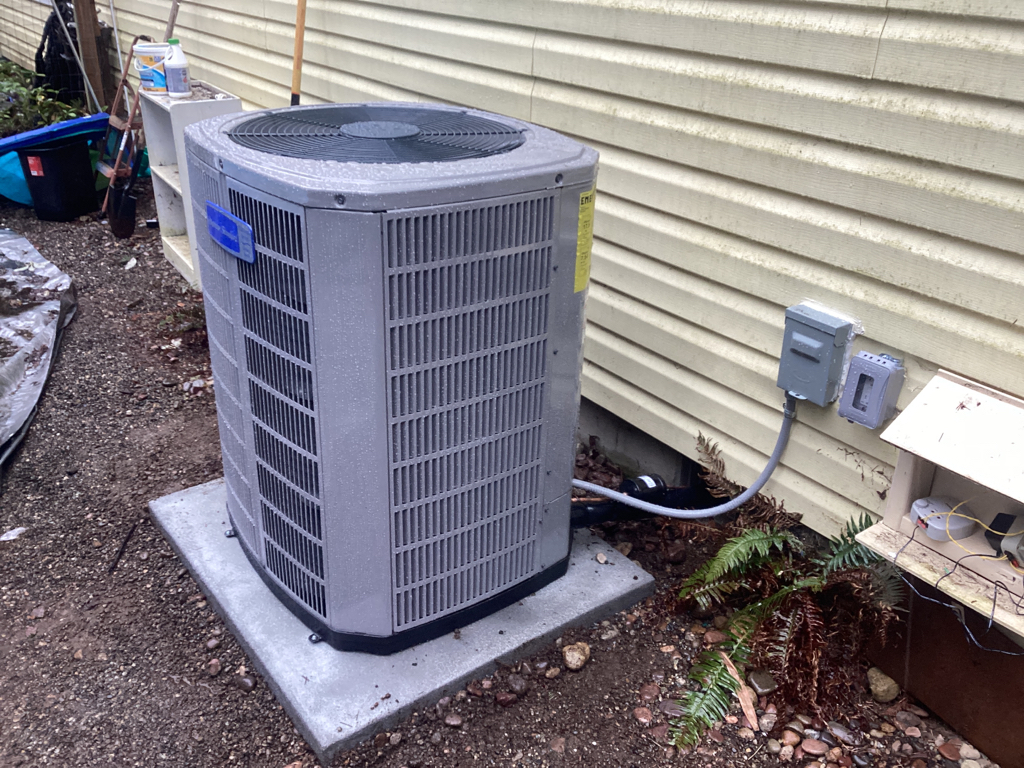
Experiencing problems with your heating system can be a major inconvenience, especially during colder months. Understanding quick repair solutions can save time, reduce discomfort, and prevent further damage. Whether dealing with unexpected breakdowns or routine maintenance, knowing some basic repair strategies can help address issues promptly. This guide aims to provide practical insights into quick heating system repair solutions, ensuring that your home remains warm and comfortable.
Common Heating System Issues
Identifying common heating system issues is the first step towards effective repair. Some frequently encountered problems include:
- Thermostat malfunctions
- Uneven heating throughout the home
- Noisy operation
- Frequent cycling on and off
- Failure to start
Thermostat Malfunctions
The thermostat is a critical component of the heating system. If it fails, it can lead to incorrect temperature readings or the system not turning on. In such cases, checking the thermostat settings and replacing batteries can often resolve the issue. For more complex problems, professional assistance may be required. Read more about this topic.
Uneven Heating
Uneven heating is often caused by blocked vents, dirty filters, or ductwork issues. Ensuring that vents are open and unobstructed, replacing air filters regularly, and inspecting ductwork can improve air distribution and efficiency. Learn more in this detailed guide.
Basic Troubleshooting Steps
Before calling a professional, consider these basic troubleshooting steps:
- Check the power source to ensure the system is plugged in and switched on.
- Inspect the circuit breaker for any tripped switches.
- Examine the pilot light (for gas systems) to ensure it is lit.
- Ensure the thermostat is set to the correct temperature and mode.
These steps can help identify simple issues that may be resolved without professional intervention. Explore further insights here.
Preventive Measures
Implementing preventive measures can minimize the risk of heating system failures:
- Schedule regular maintenance checks to identify potential issues early.
- Replace air filters every 1-3 months, depending on usage and filter type.
- Keep the area around the heating unit clear of debris and obstructions.
- Invest in a programmable thermostat to optimize energy efficiency.
By following these preventive actions, the longevity and efficiency of the heating system can be significantly enhanced. Find additional information here.
When to Call a Professional
While some issues can be managed independently, certain situations require professional expertise:
- Persistent problems despite basic troubleshooting
- Strange noises or smells emanating from the system
- Visible damage to the system components
- Frequent or unusual cycling of the system
Engaging a professional ensures that complex repairs are handled safely and effectively. Learn more in this detailed guide.