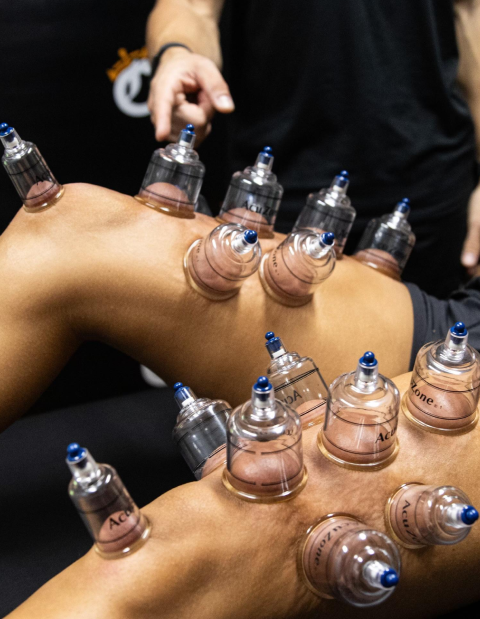
In the pursuit of peak physical performance, athletes and fitness enthusiasts often seek ways to enhance their capabilities and reduce the risk of injury. Soft tissue therapy has emerged as a pivotal component in optimizing performance, offering comprehensive benefits that extend beyond mere muscle relaxation. Through targeted techniques, this therapy aids in recovery, flexibility, and overall functionality, making it an invaluable tool for anyone committed to maintaining an active lifestyle. As methods and approaches continue to evolve, understanding the role and benefits of soft tissue therapy becomes essential for achieving personal fitness goals.
The Core Benefits of Soft Tissue Therapy
Soft tissue therapy encompasses a range of techniques aimed at manipulating muscles, tendons, and fascia. Here are some of the core benefits:
- Improved circulation, which facilitates nutrient and oxygen delivery to tissues.
- Increased flexibility and range of motion.
- Reduction in muscle tension and soreness.
- Enhanced recovery from strenuous activities and injuries.
Each of these benefits plays a crucial role in promoting optimal performance. To delve deeper into techniques and their specific impacts, find out more about this approach.
Techniques Involved in Soft Tissue Therapy
Soft tissue therapy incorporates various techniques, each tailored to address specific needs and conditions. Key techniques include:
Myofascial Release
This technique targets the fascia, the connective tissue surrounding muscles. By applying sustained pressure, myofascial release helps alleviate pain and restore motion. Explore advanced guides and tips to understand its applications.
Trigger Point Therapy
Focused on relieving specific points of tension, trigger point therapy is essential for treating muscle knots that can refer pain to other areas. Discover expert strategies here for managing trigger points effectively.
Integrating Soft Tissue Therapy into a Fitness Regimen
Integrating soft tissue therapy into a regular fitness routine can be transformative. Here are steps to consider:
- Consult with a professional to tailor the therapy to individual needs.
- Incorporate therapy sessions post-workout to aid in recovery.
- Use therapy as a preventative measure to reduce the risk of injury.
- Regularly assess progress and adjust techniques as necessary.
To maximize the benefits, it’s essential to adopt a personalized approach. Learn about our tailored solutions for integrating soft tissue therapy effectively.
The Science Behind Soft Tissue Therapy
Scientific research supports the efficacy of soft tissue therapy in enhancing athletic performance and recovery. The therapy works by:
- Reducing inflammation and promoting healing at the cellular level.
- Facilitating the breakdown of scar tissue and adhesions.
- Stimulating the nervous system to release endorphins, which reduce pain.
Understanding these mechanisms underlines the importance of incorporating scientifically-backed methods into training routines. Explore advanced guides and tips for a comprehensive understanding of these processes.
Conclusion
Soft tissue therapy stands as a cornerstone in the realm of athletic performance and recovery. By addressing the unique needs of the body, it fosters an environment where athletes can thrive, free from the constraints of pain and injury. For those committed to achieving their performance goals, embracing the benefits of soft tissue therapy is a step toward longevity and success in their athletic endeavors. Find out more about this approach to elevate your training regimen and unlock new levels of performance.